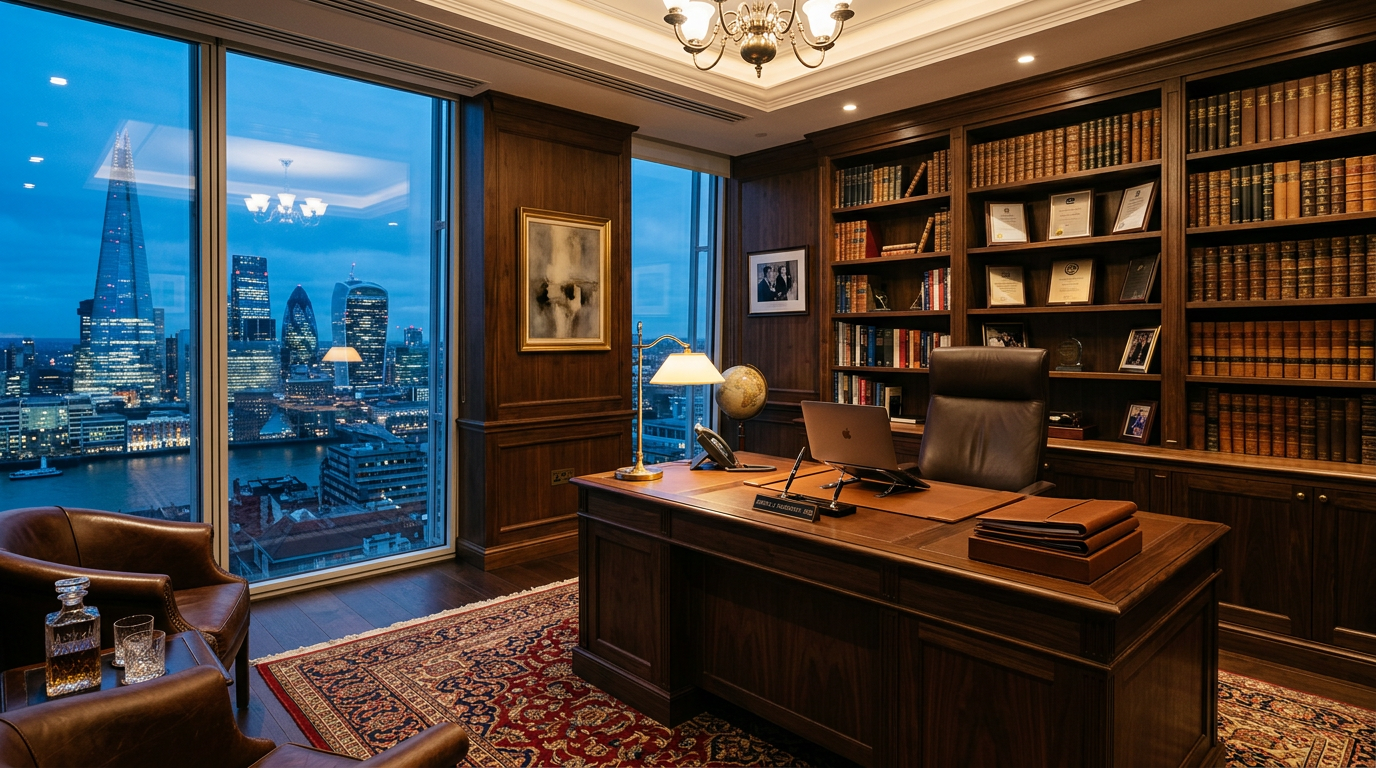
The Executive Office Serves Many Functions
An executive office isn’t just a workspace — it’s a meeting room, a decision-making chamber, a space for confidential conversations, and a representation of leadership. It must balance authority with approachability, formality with comfort.
Layout Strategy
The Desk Zone
The desk is the command center. Position it facing the door so visitors enter your sightline, a power position in environmental psychology. A credenza behind the desk provides storage and a surface for personal items.
The Meeting Zone
A small meeting table (round promotes equality, rectangular suits presentations) with four to six chairs creates a secondary meeting space that feels less formal than a conference room. This is where sensitive conversations and small-group strategy sessions happen.
The Conversation Area
Two armchairs with a small table between them, positioned near a window or away from the desk, creates an intimate space for one-on-one conversations. This is the most approachable zone — it says “let’s talk” rather than “I’m the boss.”
Furniture Selections
The Desk
An executive desk should be substantial but not absurdly large. Solid wood in walnut, mahogany, or oak communicates quality and permanence. A clean, modern desk in dark finish communicates contemporary authority. Avoid glass — it’s cold and shows every fingerprint.
The Chair
Invest in the best chair you can. An executive chair in premium leather or mesh with full ergonomic adjustability. It should look authoritative but actually be comfortable for 10-hour days.
Guest Chairs
The chairs visitors sit in matter as much as yours. Comfortable, attractive guest chairs show respect for the people in your office. Avoid the power play of having a luxurious chair while visitors sit in cheap seats — it’s noticed and resented.
Communicating Authority Without Intimidation
Warm Materials
Wood, leather, wool, and warm metals (brass, bronze) create a powerful atmosphere that still feels human. Cold materials (steel, glass, chrome) in excess create distance.
Careful Lighting
Combine a statement overhead fixture with desk and accent lighting. Warm tones (2700-3000K) create a welcoming atmosphere. Harsh overhead lighting makes the office feel like an interrogation room.
Personal Touches
Family photos, books you’ve actually read, travel mementos, and awards create a rounded picture of a person, not just a title. These items make you more approachable while demonstrating breadth.
Wall Treatment
Art Selection
Choose meaningful, quality art. An executive office shouldn’t have generic hotel art — it should reflect genuine taste and possibly company values. One or two significant pieces outweigh many small ones.
Credentials and Awards
Diplomas, certifications, and major awards can be displayed tastefully. Frame them consistently and group them on one wall rather than scattered everywhere. A dedicated credential wall looks intentional; scattered certificates look insecure.
Book Shelves
A wall of books communicates intellectual depth. Built-in shelving in wood finish that matches the desk creates architectural interest. Style books with bookends, small art objects, and one or two plants for warmth.
Window Treatment
Floor-to-ceiling curtains in a rich fabric (wool, silk blend, or heavy linen) add gravitas and light control. The ability to dim the room for presentations or open fully for daylight gives you environmental control.
Technology Integration
Discreet but Capable
Hide cables, integrate screens into credenzas or wall panels, and keep technology present but not dominant. A visible tangle of cables and a forest of adapters undermines the polished impression.
Video Conferencing Ready
A good camera at eye level, quality audio, and appropriate lighting for video calls. Executives take more video calls than anyone — the office should look as good on camera as in person.
The Bottom Line
An executive office should feel like the best room in the building — not because of excess, but because of quality, care, and thoughtful design. It should make everyone who enters feel that they’re in a place where good decisions are made.