Conference Rooms Shape Meeting Quality
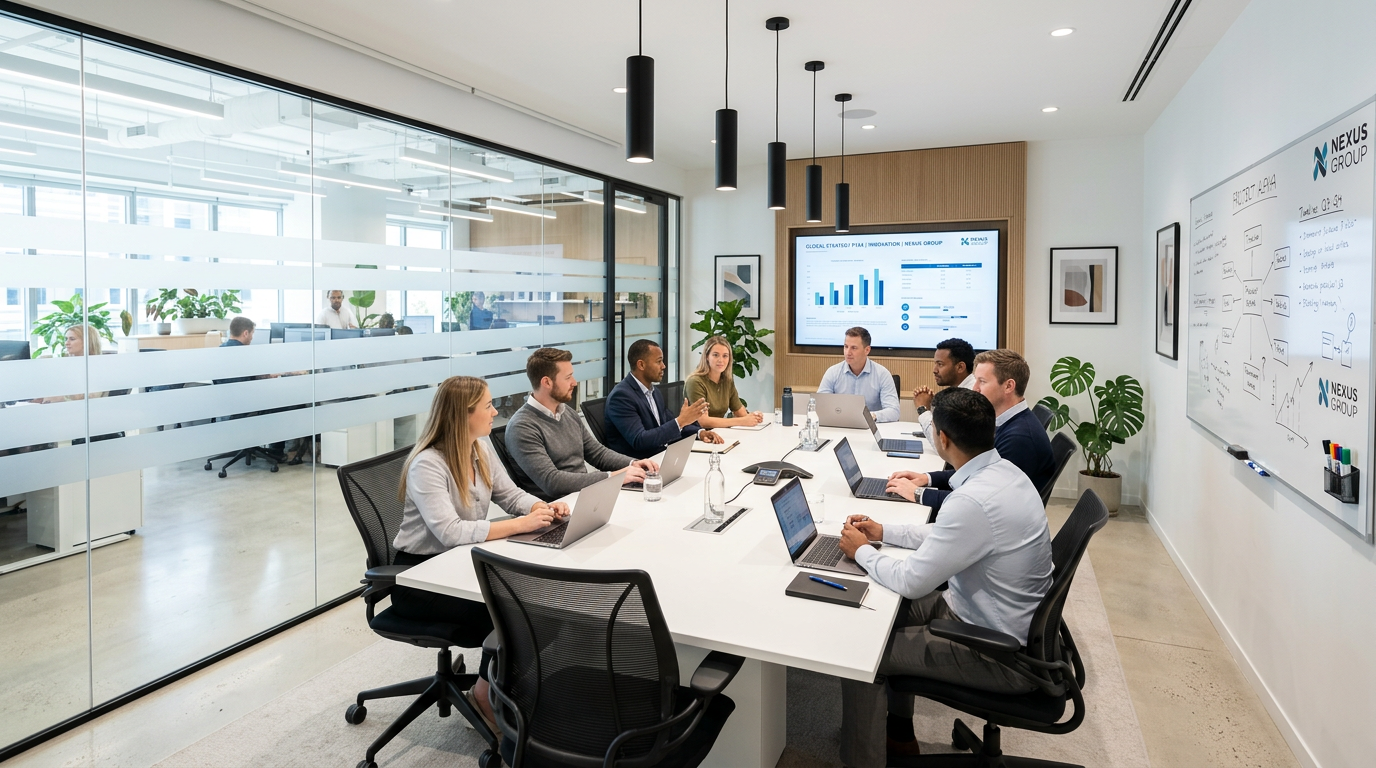
The design of your conference room directly affects meeting outcomes. A dark, cramped room with bad acoustics produces bad meetings. A well-lit, comfortable, well-equipped room produces productive ones. Design for the behavior you want.
Layout and Sizing
Table Shape Matters
Round tables promote equality and open discussion. Rectangular tables establish hierarchy with head-of-table positions. Oval tables split the difference. Choose based on your meeting culture.
Room Size Formula
Allow 25-30 square feet per person. A 10-person conference room needs roughly 250-300 square feet. Cramped rooms make people uncomfortable and meetings shorter — not always a bad thing, but not always intentional.
Flexible Configurations
If possible, choose tables and chairs that can be rearranged. Modular tables, stackable chairs, and moveable whiteboards let you configure the room for presentations, workshops, brainstorms, or board meetings.
Technology Integration
Display Solutions
A large screen (65 inches minimum for 8+ people) or a projector with a quality screen is essential. Mount it so everyone has a clear sightline without neck strain. Wireless screen sharing eliminates the “cable scramble” that starts every meeting.
Video Conferencing
A ceiling-mounted conference camera, quality microphones, and speakers make hybrid meetings work. Position the camera at eye level if possible. Ensure the microphone picks up everyone in the room equally.
Connectivity
Power outlets accessible from every seat. A central cable port or wireless charging built into the table. Reliable Wi-Fi with a visible network name and password. These basics prevent the technical delays that derail meeting momentum.
Acoustics
Conference rooms need sound isolation (keeping meeting conversations private) and internal acoustics (making speakers clearly audible to everyone in the room).
- Acoustic ceiling panels reduce reverberation
- Carpeting or rugs absorb floor noise
- Upholstered chairs contribute to sound absorption
- Acoustic wall panels — available in attractive fabrics and designs — treat parallel walls that cause echo
Lighting Design
Natural Light
Position the conference table to benefit from windows without creating screen glare. Side lighting works best. If the room lacks windows, compensate with warm, high-quality artificial lighting.
Layered Control
Dimmable overhead lights for presentations, brighter settings for working sessions, and warm settings for casual conversations. Smart lighting with presets simplifies transitions.
Avoid Fluorescent Panels
The standard office ceiling grid with fluorescent panels is terrible for meeting spaces. Replace with LED panels, pendant lights, or recessed downlights for a dramatically better atmosphere.
Furniture Selection
The Table
A quality conference table sets the room’s tone. Wood communicates warmth and tradition. Glass feels open and modern. Engineered materials in interesting finishes (concrete-look, terrazzo) signal creativity.
Seating
Conference chairs should be comfortable for 60-90 minute meetings minimum. Adjustable height, supportive backs, and breathable materials. Avoid chairs that squeak when people shift — the noise is distracting.
Wall Design
Writable Surfaces
Whiteboard walls, glass writing surfaces, or whiteboard paint transform entire walls into brainstorming canvases. Position them where presenters naturally stand.
Art and Brand
Thoughtful art or brand messaging on conference room walls creates a more engaging environment than blank surfaces. Choose pieces that reflect company values or inspire creative thinking.
Creature Comforts
Climate Control
Individual temperature control for the conference room prevents the “too hot for some, too cold for others” problem that plagues shared HVAC zones.
Refreshments
A credenza or side table with water, glasses, and perhaps a coffee setup shows hospitality. It’s a small touch that visitors notice and appreciate.
Break-Friendly Design
For longer sessions, having the room near a break area or incorporating a casual seating zone within the room gives participants relief during extended meetings.